Author: wp-user-c1uqg

  • Top 5 Best WordPress SEO Plugins in 2026 (Tested & Compared)

    Top 5 Best WordPress SEO Plugins in 2026 (Tested & Compared)

    SEO in 2026 means optimizing for both traditional search engines and AI discovery tools — and WordPress gives you the plugin ecosystem to handle both. But with dozens of options available, figuring out which SEO plugins actually move the needle versus which ones clutter your dashboard is the real challenge.

    We evaluated the top contenders based on features, pricing, performance impact, AI-era capabilities, and overall value. Here are the top 5 best WordPress SEO plugins in 2026.


    1. Rank Math — Best Free All-in-One SEO Plugin

    Best for: Power users, bloggers, and agencies who want maximum features at no cost.

    Rank Math has become the most feature-rich free SEO plugin in 2026. Its free tier unlocks unlimited keyword optimization, 18 built-in schema types, GA4 integration, a redirects manager, 404 monitoring, and Google Search Console integration — features that competing plugins lock behind expensive paywalls.

    The real differentiator in 2026 is its AI-powered content tools: automated content scoring, entity optimization, and AI search traffic tracking that no other SEO plugin currently matches. Rank Math is also owned by the same company behind WP Rocket and Imagify, meaning tight integration across SEO, caching, and image optimization if you run all three.

    Key Features

    • Unlimited keyword tracking (free tier)
    • 18 pre-defined schema types
    • Google Search Console & GA4 integration
    • AI content scoring and traffic tracking
    • 404 monitoring and redirects manager
    • Orphan page detection
    • Google Trends integration in editor
    • 1-click migration from Yoast or AIOSEO

    Pros & Cons

    ✅ Most generous free tier of any SEO plugin
    ✅ AI-era features including entity markup and llms.txt
    ✅ Tight integration with WP Rocket & Imagify
    ✅ Smooth one-click migration from other plugins

    ❌ Feature-dense UI can overwhelm beginners
    ❌ Some advanced AI tools require a Pro subscription

    Pricing: Free / Pro from $7.99/month (unlimited personal sites) / Business $24.99/month / Agency $54.99/month

    Verdict: If you want maximum features at zero cost — or are building an agency toolkit — Rank Math is the strongest choice in 2026.


    2. Yoast SEO — Best for Beginners & Editorial Teams

    Best for: WordPress beginners, single-site owners, and content teams who value proven stability.

    With 13 million+ active installs and a 15+ year track record, Yoast SEO is the most battle-tested SEO plugin in the WordPress ecosystem. Its iconic traffic-light analysis system makes SEO feedback immediately understandable — green means good, red means fix it. No SEO knowledge required.

    In 2026, Yoast updated its algorithm to better align with Google’s Helpful Content Update, giving stronger priority to E-E-A-T (Experience, Expertise, Authoritativeness, Trustworthiness) signals. The Premium bundle now includes Local SEO, Video SEO, and News SEO — previously sold separately — all included at no extra charge.

    Key Features

    • Traffic-light SEO analysis (red/orange/green)
    • Readability checker with Flesch Reading Ease score
    • XML sitemaps and canonical URL management
    • Schema.org integration for rich results
    • Open Graph tags for social media previews
    • Yoast SEO Academy (free beginner courses)
    • Local SEO, Video SEO & News SEO (Premium)
    • E-E-A-T optimization built in

    Pros & Cons

    ✅ Best third-party theme & plugin compatibility
    ✅ Largest documentation and tutorial library
    ✅ 15+ year track record — highly stable
    ✅ E-E-A-T optimization built in

    ❌ Only 1 focus keyword per page in the free tier
    ❌ No AI search optimization (llms.txt) yet
    ❌ Expensive for multi-site owners at $118/yr per site

    Pricing: Free version available / Premium from $118/year (single site)

    Verdict: Yoast is the safest, most proven choice. Ideal for WordPress beginners, single-site owners, and teams that value stability over cutting-edge AI features.


    3. All in One SEO (AIOSEO) — Best for AI Features & WooCommerce SEO

    Best for: E-commerce stores and content sites that want AI-powered suggestions with deep WooCommerce integration.

    All in One SEO has evolved into a comprehensive SEO suite that covers everything from on-page analysis and schema markup to AI-driven recommendations, WooCommerce product SEO, and local SEO. Its clean setup wizard and polished dashboard give you broad coverage without technical overwhelm.

    AIOSEO’s deep WooCommerce support makes it a strong pick for online stores that need to optimize product pages, add rich snippets, and improve search visibility across a large catalogue — all from a single plugin.

    Key Features

    • On-page analysis and full site audit tools
    • WooCommerce product SEO optimization
    • XML sitemaps and schema markup
    • AI-driven SEO recommendations
    • Local SEO module
    • Smart internal link assistant
    • TruSEO score for content guidance
    • Social media Open Graph support

    Pros & Cons

    ✅ Excellent WooCommerce integration
    ✅ Clean, beginner-friendly dashboard
    ✅ Broad AI-era feature coverage
    ✅ Covers local SEO out of the box

    ❌ Most advanced features locked behind paywalls
    ❌ Heavier performance footprint than minimalist options

    Pricing: Free version available / Paid plans for advanced features

    Verdict: A great all-rounder for e-commerce sites and content publishers who want AI-powered suggestions alongside solid technical SEO tooling.


    4. SEOPress — Best for Developers & Multi-Site Agencies

    Best for: Freelancers, developers, and agencies managing 5+ WordPress sites.

    SEOPress wins the price-to-value battle for agencies: $49/year covers unlimited sites with a permanent price lock — no renewal increases. Compare that to Yoast at $118/year per site, and if you manage 5+ sites, SEOPress saves you hundreds annually.

    It strips out all ads and upsell prompts from the dashboard, offering a clean, distraction-free interface that teams find much more comfortable during daily work. In 2026, SEOPress added a built-in llms.txt generator for AI search crawler compatibility — a future-facing feature no competitor has matched — plus a white-label mode for polished client delivery.

    Key Features

    • Unlimited sites at $49/year (price-locked forever)
    • Zero ads or upsell prompts in the dashboard
    • Built-in llms.txt generator for AI crawlers
    • Schema markup, redirects, and breadcrumbs
    • White-label client mode
    • Google Analytics built-in (no extra plugin needed)
    • Keyword position tracking via SEOPress Insights
    • CSV metadata import tool

    Pros & Cons

    ✅ Best value for multi-site operators
    ✅ Privacy-first, no tracking built in
    ✅ llms.txt support ahead of all competitors
    ✅ Clean, ad-free dashboard experience

    ❌ Less hand-holding for SEO beginners
    ❌ Longer learning curve compared to Yoast

    Pricing: Free version available / Pro from $49/year (unlimited sites, price-locked)

    Verdict: The go-to choice for freelancers and agencies managing multiple client sites. Exceptional value, clean UX, and ahead of the curve on AI search trends.


    5. The SEO Framework — Best Lightweight & Minimal Option

    Best for: Performance-first sites and developers who want automated SEO with zero distractions.

    The SEO Framework is built for sites where every kilobyte counts. It auto-generates SEO titles, meta descriptions, XML sitemaps, and canonical URLs out of the box — with zero upsells, no SEO score prompts, and no ads in the dashboard. It’s intentionally minimal by design: no keyword scoring, no step-by-step guidance, just clean standards-compliant SEO running quietly in the background.

    Advanced capabilities like structured data, local SEO, and performance monitoring are available through optional modular extensions — so you only add what your site actually needs.

    Key Features

    • Auto-generated meta titles and descriptions
    • XML sitemaps and canonical URL handling
    • Completely ad-free and upsell-free interface
    • Modular extension system (add only what you need)
    • Minimal performance footprint
    • Standards-compliant markup out of the box
    • Content-based logic for automated SEO

    Pros & Cons

    ✅ Lightest performance footprint on this list
    ✅ No dashboard clutter, ads, or upsells
    ✅ Fully automated — almost zero configuration needed
    ✅ Great for headless or custom WordPress setups

    ❌ No keyword scoring or guided content feedback
    ❌ Smaller community and fewer tutorials available

    Pricing: Free core plugin / Extensions available separately via Extension Manager

    Verdict: Perfect for performance-first sites and developers who want clean automated SEO with no distractions. Not ideal if you rely on step-by-step content feedback.


    Quick Comparison: All 5 Plugins at a Glance

    PluginFree KeywordsAI FeaturesMulti-Site ValueBest For
    Rank MathUnlimitedYesGoodPower users
    Yoast SEO1 onlyLimitedExpensiveBeginners
    AIOSEOLimitedYesModerateE-commerce
    SEOPressUnlimitedYes (llms.txt)ExcellentAgencies
    SEO FrameworkN/ANoGoodSpeed-first sites

    Which WordPress SEO Plugin Should You Choose?

    • 🏆 Start with Rank Math if you want the most features for free — it’s the best all-around pick for 2026.
    • 📚 Choose Yoast SEO if you’re new to SEO and want guided, step-by-step content feedback.
    • 🛒 Go with AIOSEO if you run a WooCommerce store and need deep product SEO support.
    • 🏢 Pick SEOPress if you manage 5+ client sites and want the best value per dollar.
    • Use The SEO Framework if page speed is your top priority and you prefer a hands-off approach.

    💡 Pro tip: Always install only one SEO plugin at a time. Running multiple SEO plugins causes duplicate meta tags, conflicting settings, and technical SEO issues that are hard to diagnose.

    Whichever plugin you choose, remember: the best SEO plugin is the one you actively use and optimize with. Tools are powerful, but strategy and consistency are what truly drive rankings.
  • India’s 2026 State Assembly Elections: A Complete Analysis of Results

    India’s 2026 State Assembly Elections: A Complete Analysis of Results

    The 2026 Indian state assembly elections were among the most consequential sub-national votes in recent history — a crucial political barometer ahead of the 2029 general elections. Voting was held across four states and one Union Territory between April 9 and April 29, 2026, with results declared simultaneously on May 4, 2026.

    West Bengal Assembly Elections 2026 - BJP victory over TMC
    BJP supporters celebrate as West Bengal votes are counted on May 4, 2026.

    📊 Election at a Glance

    A total of 15.93 crore voters cast their ballots across 824 legislative seats, with the results reshaping India’s political map in dramatic fashion.

    State / UTTotal SeatsVoting Date(s)Voter TurnoutWinner
    West Bengal294April (Multi-phase)92.47% 🔴 Highest since IndependenceBJP
    Tamil Nadu234April 2385.1% 🔴 Highest-ever for TNTVK (Vijay)
    Kerala140April 9Congress / UDF
    Assam126April 9~85%BJP / NDA
    Puducherry30NDA / AINRC
    Total824Apr 9 – Apr 2915.93 crore voters

    🔶 1. West Bengal — Historic BJP Victory Ends 15-Year TMC Rule

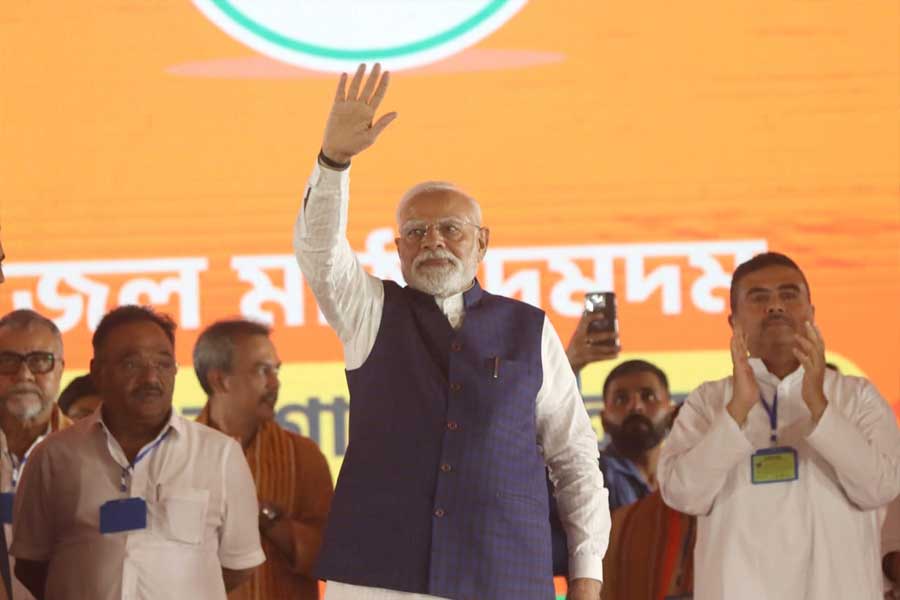
    Prime Minister Narendra Modi at a political meeting
    PM Narendra Modi addresses BJP workers after the historic Bengal win.

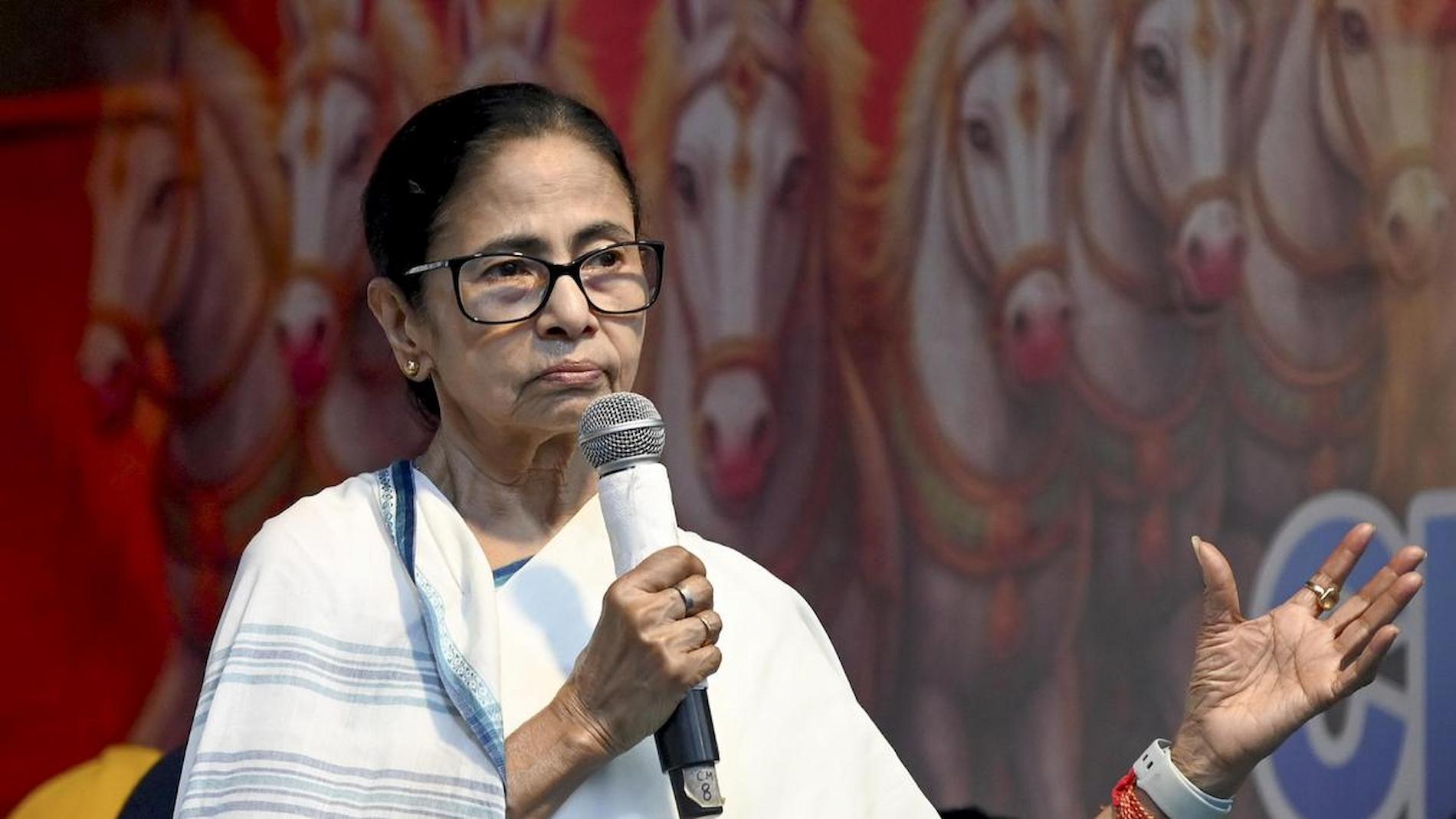
    West Bengal was the defining contest of the 2026 election cycle. For 15 years, Chief Minister Mamata Banerjee’s All India Trinamool Congress (TMC) held a firm grip over a state of over 90 million people. That era ended dramatically on May 4, 2026.

    The BJP, which had never won West Bengal before, crossed 200 seats — a result that shocked even its own supporters. By 4:30 PM IST, the party had won or was leading in 200 out of 294 seats, compared to its all-time best of just 77 in 2021.

    Seat-wise Result: West Bengal (294 seats | Majority: 148)

    PartySeats Won / Leading (2026)2021 ResultChange
    BJP~200+77▲ +123
    TMC (Mamata Banerjee)~87–94213▼ −120+
    Others / Left / CongressRemaining

    In a dramatic personal blow, CM Mamata Banerjee herself lost the Bhabanipur constituency to BJP’s Suvendu Adhikari by approximately 15,000 votes — the second time Adhikari has defeated her (the first being Nandigram in 2021). West Bengal also recorded the highest voter turnout since Independence at 92.47%.

    Key Factors Behind BJP’s Win

    • Religious polarisation: BJP consistently accused TMC of minority appeasement, resonating with a large section of Hindu voters.
    • Anti-incumbency: After 15 years of TMC rule, voter fatigue played a decisive role.
    • SIR Controversy: The Election Commission’s Special Intensive Revision exercise excluded over 9 million voters from electoral rolls — opposition parties alleged this targeted minority voters.
    • Opposition reaction: Rahul Gandhi claimed over 100 seats were “stolen” in Bengal, while Mamata Banerjee alleged widespread counting irregularities.

    🎬 2. Tamil Nadu — Vijay’s TVK Shatters the DMK–AIADMK Duopoly

    Thalapathy Vijay - TVK party chief and Tamil Nadu CM candidate 2026
    Actor-turned-politician Vijay (Thalapathy), whose TVK party swept Tamil Nadu in its very first election.

    Tamil Nadu politics had been a two-party battlefield between the DMK and AIADMK for decades. Actor-turned-politician Vijay (C. Joseph Vijay), who founded the Tamilaga Vettri Kazhagam (TVK) in February 2024 and contested all 234 constituencies solo, completely upended this order — emerging as the single largest party in its very first election.

    Seat-wise Result: Tamil Nadu (234 seats | Majority: 118)

    PartySeats Won / Leading (2026)2021 Result
    TVK (Vijay)~107— (new party)
    AIADMK+~6466
    DMK (ruling)~44159
    OthersRemaining

    The voter turnout of 85.1% was the highest ever recorded in a Tamil Nadu assembly election — a reflection of enormous public excitement. In one of the most watched contests, TVK’s VS Babu defeated incumbent CM MK Stalin in his decades-long Kolathur stronghold — a seat Stalin had held for over 40 years. Vijay is now set to become Chief Minister of Tamil Nadu.


    🔴 3. Kerala — Congress-led UDF Sweeps Out the Left

    Kerala’s well-known alternating pattern of power continued. After five years of Left governance under CM Pinarayi Vijayan, voters gave Congress a commanding mandate — not a razor-thin win.

    Seat-wise Result: Kerala (140 seats | Majority: 71)

    Party / AllianceSeats Won / Leading (2026)2021 Result
    UDF (Congress-led)~97–10041
    LDF (Left-led)~34–3899
    BJP / NDA~2–51

    At least 12 sitting LDF ministers were trailing during counting. The CPI(M) Polit Bureau acknowledged the loss and pledged to “introspect.” Thiruvananthapuram MP Shashi Tharoor described the result as a public vote for “change and a bold new direction for Kerala” after what he called ten years of LDF misgovernance. Pinarayi Vijayan himself, however, retained his Dharmadom seat for a third consecutive time.


    🟠 4. Assam — BJP Wins a Historic Third Consecutive Term

    Assam delivered the most predictable — yet still emphatic — outcome of the five states. Chief Minister Himanta Biswa Sarma led the BJP to its first-ever outright majority in the state, without depending on allies, and is set for a second consecutive term as CM.

    Seat-wise Result: Assam (126 seats | Majority: 64)

    PartySeats Won (2026)Notes
    BJP82First solo majority
    Bodoland People’s Front (BPF)10NDA ally
    Asom Gana Parishad (AGP)10NDA ally
    NDA Total~102
    Congress19Distant second
    AIUDF2
    OthersRemaining

    PM Modi, addressing BJP workers after the results, said the wide mandate reflects people’s trust in “performance politics” and called it a triumph for India’s democracy and Constitution.


    🏛️ 5. Puducherry — NDA Retains Power Comfortably

    The AINRC-led NDA alliance, which has governed the union territory since 2021 under CM N.R. Rangaswamy, retained power by a comfortable margin for a second consecutive term. The Congress-DMK combine could not dislodge the ruling alliance. Notably, Vijay’s TVK made its debut in Puducherry politics too, signalling the party’s ambitions beyond Tamil Nadu’s borders.

    Seat-wise Result: Puducherry (30 seats | Majority: 16)

    AllianceSeatsNotes
    NDA (AINRC-led)~17–24Second consecutive term
    Congress / INDIA Alliance~6–10
    TVKEntry-levelFirst-ever Puducherry entry

    🗺️ National Tally: How Each Party / Alliance Fared

    Party / AllianceStates/UTs WonKey Outcome
    BJP / NDA3 (WB, Assam, Puducherry)Historic first-ever WB win; Assam 3rd term
    Congress / UDF1 (Kerala)Landslide; ended Left’s 5-year rule
    TVK (Vijay)1 (Tamil Nadu)Debut win; broke a 40-year duopoly
    TMC (Mamata)0Lost home state for first time ever
    LDF / CPI(M)0Worst Kerala performance in decades
    DMK (Stalin)0Historically routed; Stalin lost his own seat

    🔮 What This Means for 2029

    These results carry enormous implications for the national political landscape ahead of the next general election:

    1. BJP’s growing national dominance: Winning West Bengal — the crown jewel of opposition territory — signals that the BJP’s electoral machinery is operating at an unprecedented scale across diverse geographies.
    2. Congress’s partial revival: The UDF’s sweep in Kerala is a genuine morale boost, but one state win does not reverse the national narrative of a weakened opposition alliance.
    3. New political forces: Vijay’s TVK victory is the most significant structural disruption — showing Indian voters are fully open to new formations built on regional identity, populism, and star power.
    4. TMC’s existential crisis: Mamata Banerjee losing her own seat for the second time raises serious questions about the future of TMC as a credible national opposition force.
    5. Anti-incumbency remains potent: Three out of four states changed their government, underscoring that Indian voters will punish incumbents regardless of ideology or party affiliation.

    The next major national test will be the 2029 Lok Sabha elections, which will determine who forms the next central government. May 4, 2026 has already redrawn the map.


    Sources: Election Commission of India, Al Jazeera, The Print, Britannica, Republic World, Business Today, NPR | Published: May 5, 2026

  • India’s Energy Crisis 2026: Causes, Impact & the Road Ahead

    India’s Energy Crisis 2026: Causes, Impact & the Road Ahead

    May 2026 | Energy & Policy

    India energy crisis illustration
    India’s energy crisis: rising demand meets a severe supply disruption triggered by geopolitical conflict in the Middle East.

    India, the world’s third-largest energy consumer, is navigating one of its most serious energy crises in decades. What began as a geopolitical tremor in the Middle East has cascaded into a full-blown supply shock — squeezing households, straining industries, and testing the resilience of a rapidly growing economy. Understanding the depth of this crisis requires looking at both its immediate triggers and the structural vulnerabilities that made India susceptible.


    The Trigger: Geopolitical Disruption in the Middle East

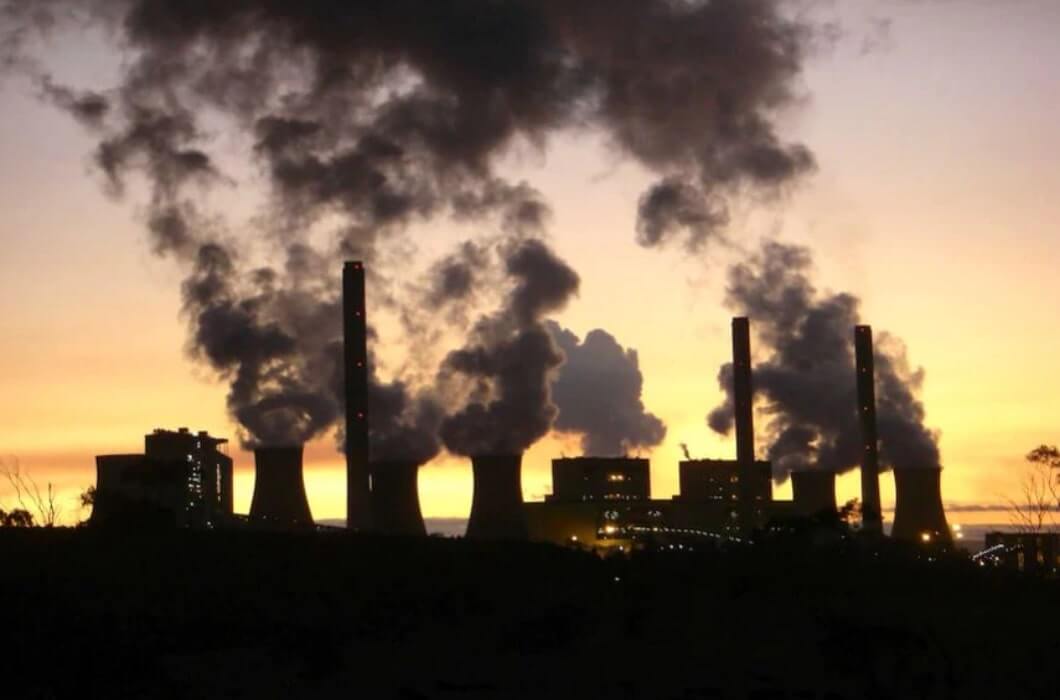
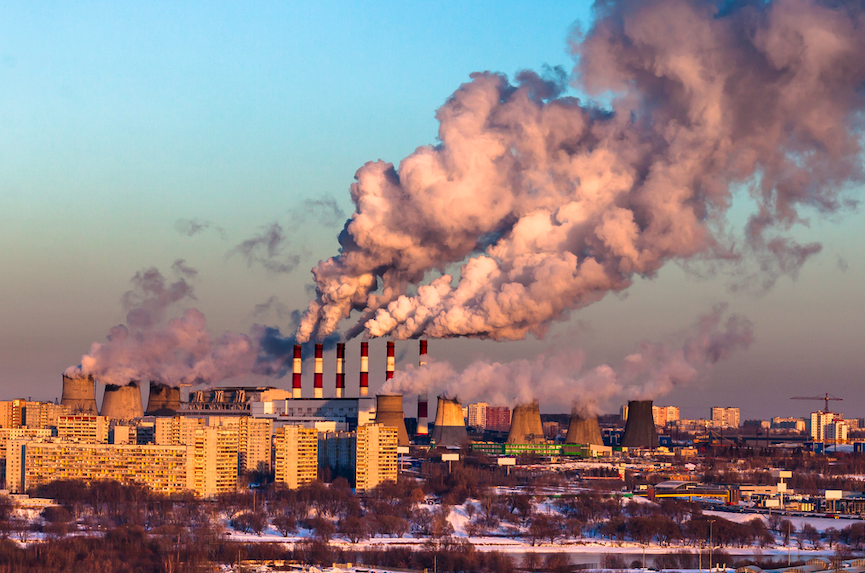
    History of global energy crises
    India’s 2026 crisis echoes historical global energy shocks — but with unique structural vulnerabilities.

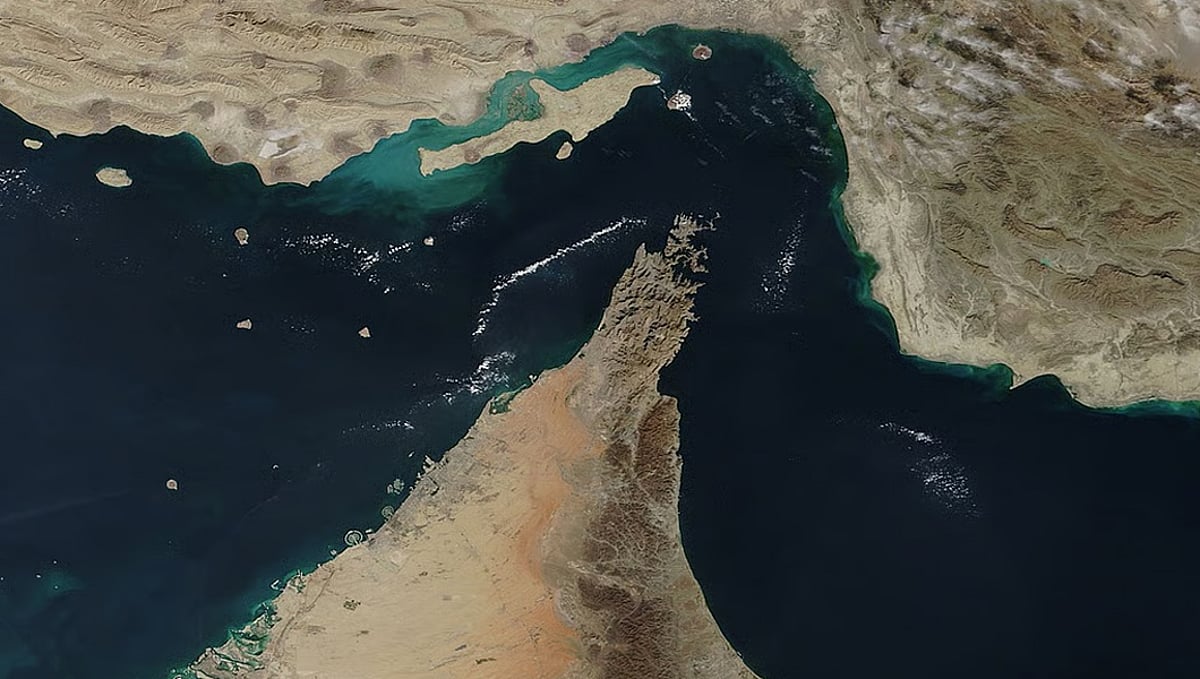
    The current crisis traces its roots to February 28, 2026, when the United States and Israel launched ‘Operation Epic Fury’ — targeted strikes against Iranian nuclear and military installations. The fallout rapidly disrupted the Strait of Hormuz, a critical maritime chokepoint through which India routes a substantial share of its energy imports.

    Reports of significant damage to Qatar’s Ras Laffan complex — one of the world’s largest LNG and LPG export hubs — have deepened the supply squeeze. Companies such as Petronet LNG declared force majeure, signalling the severity of the disruption.

    India’s Middle East Energy Dependency

    • 🛢️ ~45% of India’s crude oil comes from the Middle East
    • 🔥 ~60% of its natural gas is sourced from the region
    • 🍳 Over 90% of India’s LPG imports originate there

    The Ripple Effects: How the Crisis Is Spreading

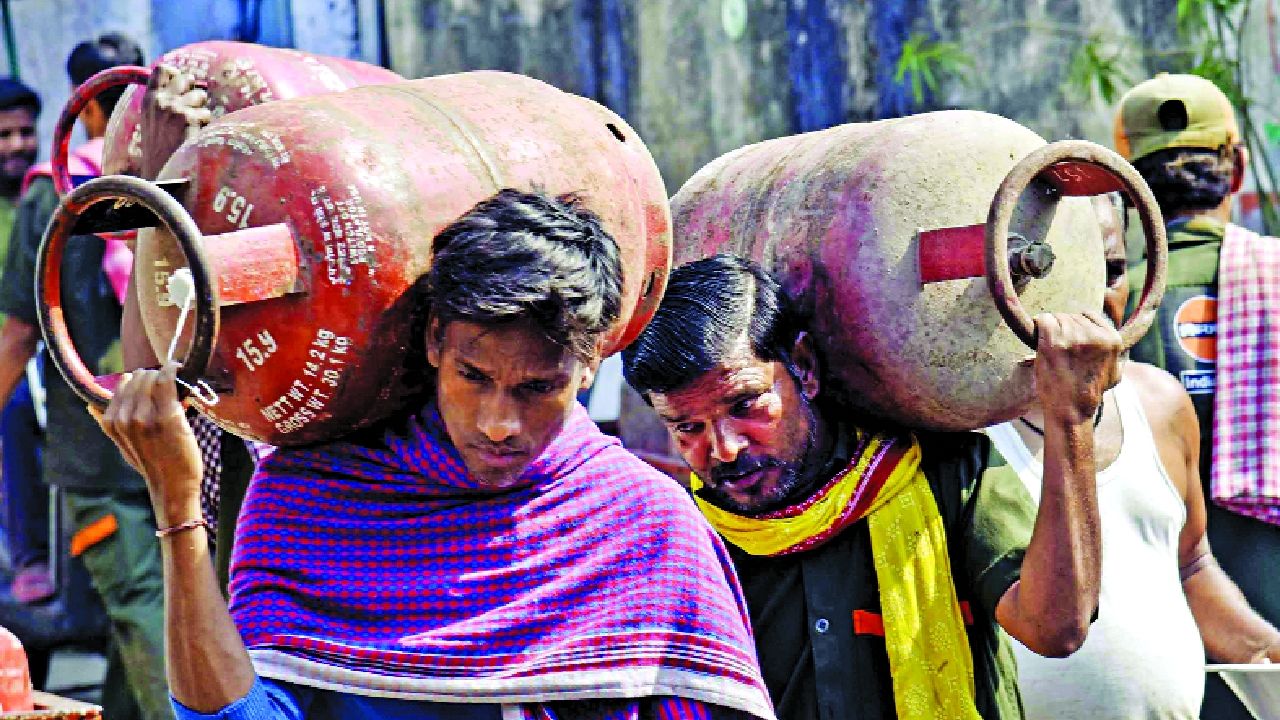
    West Asia crisis impact on Indian household LPG cooking gas
    West Asia crisis fallout: LPG shortages and rising cooking gas prices hit Indian households directly. (Image: Daily Pioneer)

    1. LPG & Cooking Gas Shortage

    Cumulative LPG under-recoveries for Oil Marketing Companies (OMCs) exceeded ₹50,000 crore (USD 5.9 billion) by August 2025. Saudi Aramco LPG benchmark prices spiked by roughly 44% between March and April 2026, and India’s annual LPG under-recoveries could exceed ₹60,000 crore (USD 7 billion) in FY 2026–27 if global prices remain elevated.

    2. Natural Gas & Fertilizer Sector

    Approximately 60% of LNG used in urea manufacturing is imported from Qatar, and 30 out of 32 urea plants depend on natural gas as feedstock. With gas supplies tightening, fertilizer plants are receiving only about 70% of their usual gas supply, threatening agricultural inputs ahead of the kharif season.

    3. Industrial Impact

    Petrochemicals, manufacturing, and small-scale industries relying on gas-based inputs are receiving around 80% of normal gas supply as the government prioritises household PNG and transport CNG.

    4. Fuel Prices & Fiscal Pressure

    India’s quantified energy subsidies stood at ₹4.3 lakh crore (USD 51 billion) — 2.3% of GDP in FY25. Excise duty cuts on petrol and diesel manage consumer prices but simultaneously weaken EV competitiveness and tighten fiscal space for clean energy investment.


    The “Energy Lockdown” Panic — Fact vs. Fiction

    ⚠️ Misinformation Alert: No energy lockdown has been planned or announced by the Government of India. The social media panic of March 24, 2026 was based on misreading of an IEA voluntary advisory as a mandatory government order.

    On March 24, 2026 — coinciding with the sixth anniversary of India’s first COVID lockdown — social media flooded with alarming posts. The trend was fuelled by misinterpretation of an IEA 10-point emergency demand reduction advisory (voluntary measures: work-from-home, reduced air travel, speed limits) as a mandatory government order.

    The Government moved quickly: a 24/7 national control room was established to monitor petroleum stocks, and on March 11, 2026, it confirmed adequate reserves of petrol, diesel, and aviation turbine fuel for short-term needs.


    Government Response

    Immediate Regulatory Measures

    The Natural Gas (Supply Regulation) Order, 2026 was invoked under the Essential Commodities Act, 1955, establishing a gas priority hierarchy:

    🏠 Households (PNG) → 🚌 Transport (CNG) → 🔥 LPG Production → 🌾 Fertilizers → 🏭 Industry
    • A 25-day minimum gap between LPG cylinder bookings introduced to prevent panic buying.
    • Coal-fired power plants ordered to run at full capacity for three months from April 1, 2026.

    Supply Diversification

    India has begun importing oil and gas from Algeria, Norway, Canada, and Australia, routed via the Cape of Good Hope to bypass the Strait of Hormuz. Public sector oil companies signed agreements to import 2.2 million tonnes of LPG annually from the United States — covering roughly 10% of demand — with initial shipments already received.


    The Structural Vulnerability: Rural India Left Behind

    Ground reporting from villages in Madhya Pradesh, Chhattisgarh, and Uttar Pradesh paints a sobering picture. Despite the government’s Ujjwala scheme covering 103.4 million beneficiaries as of January 2026, more than 46% of rural households still depend on biomass for cooking (NSSO data).

    Power cuts in some forest villages last up to eight days in summer. Rising LPG prices push many households back to traditional chulhas and firewood.

    “Energy access and energy security are not the same thing.”


    India’s Strengths: Renewable Energy as a Buffer

    Despite the crisis, India’s energy story is not all bleak. In 2025, renewable power generation surged by 98 TWh — a 24% jump over 2024, driven by record gains in solar (+37%) and wind (+28%). Fossil fuel-based power generation actually fell by 3.3% in 2025.

    India’s total renewable capacity reached approximately 254 GW by November 2025, with domestic solar manufacturing exceeding 144 GW annually.

    ☀️
    +37%
    Solar growth in 2025

    💨
    +28%
    Wind growth in 2025


    254 GW
    Total renewable capacity


    The Path Forward

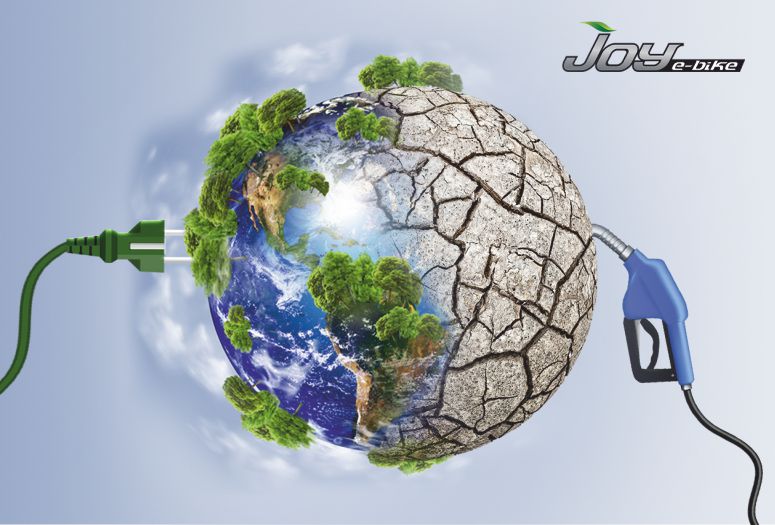
    India energy transition and electric vehicles
    India’s clean energy transition — from fossil fuel dependency towards EVs and renewable sources — is central to long-term energy security.
    1. Diversify energy imports — reduce the 90%+ Middle East dependency for LPG; explore long-term contracts with the US, Australia, and Africa.
    2. Build strategic reserves — expand petroleum and LNG storage infrastructure for supply shocks.
    3. Accelerate clean energy transition — scale up solar, wind, green hydrogen, and grid storage to reduce structural fossil fuel dependence.
    4. Improve energy efficiency — efficiency investments across industry, buildings, and transport offer cost-effective resilience gains.
    5. Protect EV competitiveness — recent tax cuts on ICE vehicles risk undermining India’s EV adoption trajectory; careful policy calibration is needed.
    6. Address rural energy poverty — last-mile LPG delivery, micro-grids, and community solar must be strengthened so the most vulnerable are not hardest hit during supply disruptions.

    Conclusion

    India’s 2026 energy crisis is, at its core, a mirror — reflecting decades of import dependence, the fragility of global supply chains, and the urgent need for a genuine energy transition. The immediate crisis will pass. But the structural vulnerabilities it has exposed will not fix themselves.

    India’s path to energy security runs not through a single solution, but through a mosaic of diversified sources, smarter policy, and a cleaner grid. The time to build that mosaic is now.


    Sources: IISD (Mapping India’s Energy Policy 2026) · Observer Research Foundation · IEA Global Energy Review 2026 · OilPrice.com · Down To Earth · Testbook / Vajiram & Ravi Current Affairs

  • The Strait of Hormuz Crisis: Geopolitics and the Accelerated Pivot to Green Energy

    The Strait of Hormuz Crisis: Geopolitics and the Accelerated Pivot to Green Energy

    As of May 2026, the global energy landscape is facing one of its most significant challenges in recent years. With crude oil prices hovering near the $100-per-barrel mark, the world’s attention has once again shifted to the Strait of Hormuz—a narrow but vital chokepoint that carries roughly 20% of the world’s oil supply.

    The Chokepoint Challenge

    Recent escalations in regional tensions have led to increased security concerns and disruptions in shipping lanes. This volatility isn’t just a matter of regional security; it’s a global economic trigger. The immediate result has been a surge in transportation costs and renewed inflationary pressure on global markets.

    Beyond the Oil Barrel: The Economic Impact

    For consumers and industries alike, $100 oil is a heavy burden. From the pump to the supermarket shelf, the ripple effects are being felt everywhere. However, this crisis is also acting as a catalyst for a long-overdue shift in how we think about energy security.

    The Green Acceleration: Lessons from Rotterdam

    While the news from the Middle East remains tense, the recent World Hydrogen Summit in Rotterdam provided a glimpse into a different future. Global leaders and CEOs gathered to discuss decarbonization strategies that are no longer just environmental goals—they are now economic imperatives.

    High oil prices are making green hydrogen and other renewable technologies more cost-competitive than ever before. Countries that once lagged in their energy transition are now fast-tracking infrastructure projects to reduce their dependence on volatile fossil fuel markets.

    Conclusion: A More Resilient Future

    The current crisis in the Strait of Hormuz is a stark reminder of the fragility of our current energy systems. Yet, it may also be remembered as the moment when the global pivot toward sustainable, domestic energy sources truly reached the point of no return. In the face of geopolitical instability, the path to security is increasingly green.

  • The Majesty of Trees

    Trees are vital to life on Earth. They provide oxygen, store carbon, and offer habitat for countless species.

    Benefits of Trees

    • Oxygen production
    • Carbon sequestration
    • Natural cooling
    • Wildlife habitats

    Planting a tree is a gift to the future.

  • Hello world!

    Welcome to WordPress. This is your first post. Edit or delete it, then start writing!